
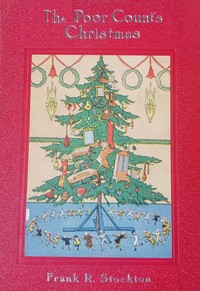
The poor Count's Christmas by Frank R. Stockton
Frank R. Stockton's The Poor Count's Christmas is a delightful little novella that feels like finding a forgotten ornament at the back of the tree—unexpected and full of character.
The Story
We meet Count Hugo von Hohenberg on a bleak Christmas Eve. His noble bloodline is all he has left; his money and influence are long gone. Resigned to a solitary, shabby holiday in his drafty castle, he's the picture of gloomy pride. His quiet despair is interrupted by the arrival of Caspar, a wealthy but deeply unhappy American businessman. Caspar makes an extraordinary offer: he will pay the Count a large sum of money if the Count will simply host him for a traditional, joyful German Christmas. Caspar is chasing a feeling, a memory of holiday warmth he believes only old European aristocracy can provide. The Count, seeing a way out of his poverty, agrees. What follows is a fascinating and often funny charade, as the impoverished nobleman must scramble to create the illusion of festive opulence with almost nothing, while his guest watches eagerly, hoping to buy the spirit he lacks.
Why You Should Read It
This story hooked me because it's so smart about human nature. It's not just a 'riches to rags' tale. It flips the script. Here, the rich man is emotionally poor, and the poor man is rich in tradition and dignity, even if he's selling it. The heart of the story is in their awkward, negotiated relationship. Can you stage genuine happiness? Can you purchase a feeling? Stockton doesn't hammer you with the message; he lets you watch these two flawed men try to answer these questions themselves. The Count, in particular, is wonderfully drawn—irritated, clever, and secretly noble in ways that have nothing to do with his title.
Final Verdict
This is a perfect read for a quiet winter evening. It's for anyone who loves character-driven stories, a touch of gentle social satire, and holiday tales that lean more towards thoughtful warmth than outright cheer. If you enjoy the witty, conversational style of authors like O. Henry or the nuanced observations of Anthony Trollope, but in a much shorter package, you'll feel right at home. Don't expect sleigh rides and roaring hearths; expect a clever, poignant, and ultimately satisfying story about what we value when the tinsel is stripped away.
The copyright for this book has expired, making it public property. It is now common property for all to enjoy.
Matthew Thomas
11 months agoOne of the most comprehensive guides I've read this year.
David Rodriguez
5 months agoLooking at the bibliography alone, the author doesn't just scratch the surface but goes into meaningful detail. The insights gained here are worth every minute of reading.
Linda Thomas
10 months agoI found the data interpretation to be highly professional and unbiased.
Joseph Gonzalez
2 weeks agoGiven the current trends in this field, the author doesn't just scratch the surface but goes into meaningful detail. If you want to master this topic, start right here.




John Martin
1 year agoI found the data interpretation to be highly professional and unbiased.